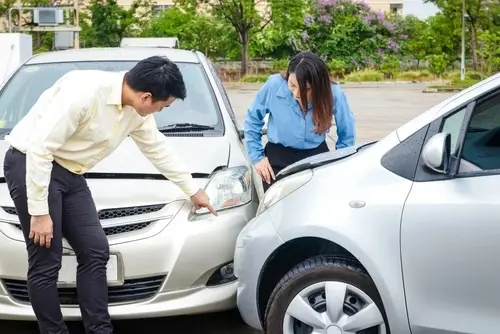
Why Understanding the Top Causes of Car Accidents is Crucial for Road Safety
Car accidents are an unfortunate reality of life on the road. Understanding the top causes of car accidents can help you take proactive steps to reduce your risk. If you are injured in a crash, consulting a car accident lawyer can be a vital step toward getting the compensation and support you deserve. This guide explains some of the most common causes of collisions and offers tips for staying safe behind the wheel.
If you or a loved one has been in a car accident, our experienced team at Ross Moore Law is ready to provide the legal help you need.
Distracted Driving: A Leading Cause of Car Crashes
Among the top causes of car accidents, distracted driving is one of the most prevalent. By avoiding distractions like cell phone use or adjusting your entertainment system, you can significantly reduce your risk. At Ross Moore Law, we have seen firsthand the severe consequences of drivers losing focus while behind the wheel. Distractions such as texting, using a cell phone, adjusting the radio, or conversations with passengers can significantly increase the risk of a motor vehicle crash.
Distracted driving has far-reaching effects, not only leading to fatal car accidents but also to serious injuries that can change lives forever.
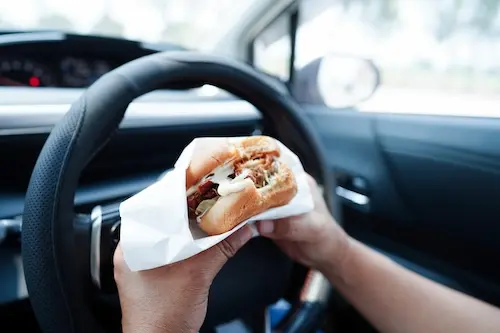
What Distracted Driving Looks Like
Distracted driving takes many forms, and it often involves a combination of visual, manual, and cognitive distractions. Here are some of the most common ways drivers become distracted:
- Cell phone use: Texting, browsing, or making calls while driving is one of the biggest contributors to road accidents. Even a momentary glance at your phone can remove your attention from the road long enough to cause a fatal crash.
- Eating or drinking: It might seem harmless, but eating or drinking behind the wheel is a form of multitasking that takes your hands off the wheel and your eyes off the road. Spilling a drink or trying to open a food package can easily lead to serious injuries in an accident.
- Adjusting the entertainment system: Whether it’s fiddling with the radio, adjusting the volume, or connecting a device to Bluetooth, playing with the car’s entertainment system is another way drivers divert their attention. Even a few seconds of inattention can result in unsafe lane changes, rear-end collisions, or worse.
- Talking to passengers: Deep or animated conversations with passengers can take your mental focus away from the task at hand. Even if you’re not looking away from the road, your mind can become consumed with the conversation, reducing your reaction time and overall awareness of your surroundings.
The Impact of Distracted Driving
When a driver is distracted, their attention is no longer fully focused on the road. This delays their reaction time significantly. Even the smallest distraction can prevent a driver from reacting in time to avoid a sudden obstacle, road hazard, or unsafe lane changes by other drivers.
The statistics around distracted driving are staggering. Research shows that distracted drivers are involved in a significant percentage of fatal car accidents each year. In fact, distracted driving is a leading contributor to road traffic fatalities, with some estimates suggesting that as many as one in four accidents are caused by distracted behaviors. While distractions vary, they all share a common result: they reduce your ability to drive safely.
This problem is compounded by the fact that many of these distractions are self-inflicted. With more mobile phones being used in cars and the increasing complexity of in-vehicle technology, distracted driving has become a pervasive issue, contributing to road traffic injuries and fatal crashes. It’s not just about cell phone use; it’s about the cumulative effect of all these distractions on a driver’s ability to stay in control of their vehicle.
How to Avoid Distracted Driving
To prevent car crashes caused by distracted driving, adopt strategies that reduce these risks. Here are some practical steps you can take to ensure you remain focused on the road:
- Use hands-free devices: If you must make a call, use a hands-free device, such as Bluetooth or voice-activated systems. However, the safest option is to pull over and make the call.
- Keep your phone out of reach: The best way to resist the temptation to text or check notifications is to keep your phone out of reach while driving. Placing your phone in your bag or glove compartment eliminates the possibility of checking messages while behind the wheel. This simple action can help reduce distractions and prevent fatal car accidents.
- Adjust the car’s settings before you start driving: Whether it’s the radio, climate controls, or seat adjustments, make sure everything is set up before you begin your journey. This allows you to drive without distraction, keeping your eyes on the road and hands on the wheel.
- Avoid lengthy conversations: While talking to passengers can be enjoyable, keep conversations brief and focused on the road. Teen drivers, especially, should remember that emotional or intense discussions can lead to unsafe lane changes or a lapse in judgment.
The Bottom Line: Stay Focused to Stay Safe
The consequences of distracted driving can be devastating. Car accidents caused by distractions are often preventable if drivers take the necessary precautions. At Ross Moore Law, we want to remind you that staying focused and alert while driving is crucial not only for your safety but also for the safety of everyone around you.
Taking proactive steps to avoid distractions—such as keeping your phone out of reach, using hands-free devices, and focusing on the road—can help save lives. At the end of the day, there’s nothing more important than getting to your destination safely. By practicing safe driving habits, you can significantly reduce your chances of a fatal crash or road traffic injury.
If you’ve been involved in an accident due to a distracted driver or need legal advice after a car crash, contact Ross Moore Law today. Our experienced team of car accident lawyers can fight for the compensation you deserve.
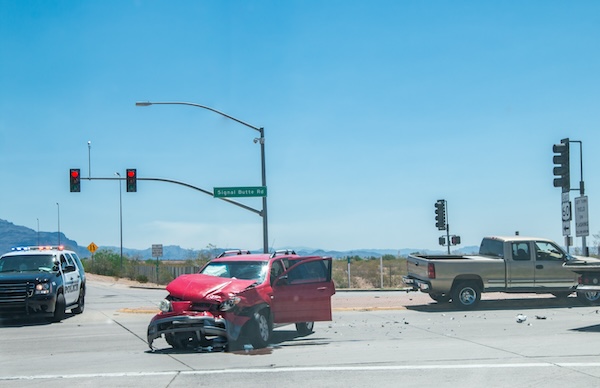
Speeding and Aggressive Driving Behaviors
One of the top causes of car accidents is speeding. Excessive speed reduces your reaction time and makes it harder to avoid sudden obstacles on the road. Excessive speed and reckless driving increase the risk of accidents, making it harder to react to unsafe lane changes, red lights, or improper turns.
Why Speeding is Dangerous:
- Exceeding speed limits or driving too fast for conditions is one of the leading causes of fatal crashes.
- Higher speeds reduce the time available to respond to hazards, often leading to fatal car accidents.
- Aggressive driving behaviors, such as tailgating or cutting off other vehicles, put everyone on the road in danger.
How to Avoid Speeding and Aggressive Driving
- Always obey speed limits and adjust your speed according to weather and road conditions.
- Keep a safe distance from other vehicles to give yourself enough time to react in an emergency.
- Stay calm and patient, even when you’re in a hurry. Avoid road rage or reckless driving.
By driving responsibly and following traffic laws, you can significantly reduce the chances of an accident.
Impaired Driving: Alcohol, Drugs, and Drowsy Driving
Alcohol and drugs are some of the leading causes of car accidents. Whether it’s drowsy driving or impairment due to substances, these factors increase the likelihood of fatal crashes. At Ross Moore Law, we have seen the devastating impact that impaired drivers can have, not just on themselves, but on innocent people. Whether it’s driving under the influence of alcohol, drugs, or driving while fatigued, impaired drivers tend to make poor decisions, have slower reaction times, and exhibit a lack of judgment, which significantly increases the risk of accidents.
The consequences of impaired driving are severe and can lead to tragic outcomes, including serious injuries, fatal crashes, and road traffic fatalities. The reality is that impaired driving is completely preventable, and with responsible decision-making, we can significantly reduce the number of road traffic injuries and fatal car accidents caused by alcohol, drugs, and drowsy driving.
Alcohol: A Major Contributor to Car Accidents
Alcohol is one of the leading contributors to fatal crashes and road traffic fatalities. Even small amounts of alcohol can impair a driver’s judgment, coordination, and reaction time, making it far more difficult to respond to sudden changes in the driving environment. The legal limit for blood alcohol content (BAC) is typically 0.08%. Even at lower levels, alcohol affects the brain’s ability to process information, impairing a driver’s decision-making ability and slowing down reaction time.
- Judgment: Alcohol affects the brain’s ability to make sound decisions, leading drivers to take risks they wouldn’t otherwise take.
- Coordination: Alcohol impairs motor skills, making it difficult to steer, brake, or operate the vehicle safely.
- Reaction Time: Alcohol slows down the brain’s ability to process stimuli, which delays the driver’s response to hazards on the road.
Drugs: Both Prescription and Illicit
Whether it’s a prescription drug taken to manage a medical condition or an illicit drug, both can be incredibly dangerous behind the wheel. Prescription drugs can have side effects such as dizziness, drowsiness, and impaired concentration, all of which can lead to accidents. Illicit drugs, such as marijuana, cocaine, and heroin, can have even more profound effects, impairing judgment, coordination, and reaction time to dangerous levels.
- Prescription Drugs: Medications such as painkillers, sleeping pills, or anti-anxiety medications can have impairing effects, especially when combined with alcohol.
- Illicit Drugs: Drugs like marijuana or cocaine can cause delayed reactions, impaired concentration, and an inability to focus, increasing the likelihood of road accidents.
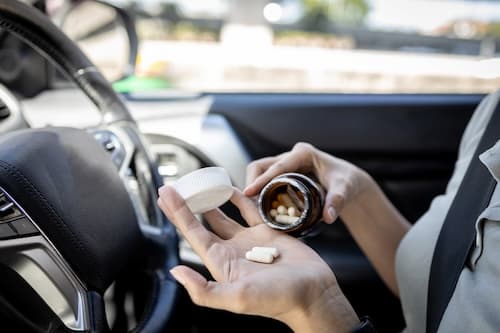
Drowsy Driving: The Silent Killer on the Road
Drowsy driving is often overlooked but is just as dangerous as driving under the influence of alcohol or drugs. When a driver is fatigued, their reaction times slow down, their decision-making ability is impaired, and their overall alertness is significantly reduced. In fact, research has shown that drowsy drivers are involved in a substantial number of fatal crashes each year.
- Fatigue Impairs Focus: When drivers are tired, they have trouble maintaining their attention on the road, making it difficult to stay alert to changing conditions.
- Slower Reaction Time: A tired brain reacts much slower than a well-rested one, which means that drowsy drivers might not react in time to avoid accidents or sudden obstacles.
- Falling Asleep at the Wheel: In the most extreme cases, drivers may actually fall asleep at the wheel, causing the vehicle to veer off course or collide with other cars, stationary objects, or pedestrians.
How to Prevent Impaired Driving
The good news is that impaired driving is completely avoidable. By adopting simple habits and being responsible, you can help reduce the risk of fatal crashes and serious injuries caused by impaired driving. Here’s what you can do to protect yourself, your passengers, and other road users:
Never Drive After Consuming Alcohol or Drugs
The most straightforward and effective way to prevent impaired driving is to never drive after consuming alcohol or drugs. Both prescription and illicit drugs can affect driving ability, and alcohol impairs motor skills and decision-making. If you plan to drink or use substances that could impair your driving, always make arrangements ahead of time.
- Designated Driver: Appoint a designated driver before going out, ensuring that at least one person in your group can safely drive home.
- Rideshare Services: If you’ve been drinking or using drugs, opt for rideshare services such as Uber or Lyft, or use public transportation. This ensures that you are not putting yourself and others in danger by driving while impaired.
Never Drive While Fatigued
Driving while fatigued is just as dangerous as driving under the influence of alcohol or drugs. If you are feeling drowsy, pull over and take a break. Sleep is vital for focus and decision-making, and driving while tired is a serious risk factor for accidents.
- Take a Break: If you’re on a long trip and feel tired, stop at a rest area, get out of the car, stretch, and take a nap if possible.
- Sleep Well: Prioritize getting enough sleep the night before any long drives, so you are fully rested and alert for the journey ahead.
Check Medication Labels for Warnings
If you are taking prescription medications, always read the labels and be aware of any warnings regarding driving. Many medications, even common ones for pain relief, anxiety, or sleep, can impair your ability to drive safely.
- Consult Your Doctor or Pharmacist: If you’re unsure whether your medication will affect your driving, ask your healthcare provider or pharmacist for guidance.
- Avoid Combining Alcohol and Medication: Even over-the-counter medications can have dangerous interactions with alcohol, so avoid drinking while on medications.
Why Impaired Driving Is Preventable
The tragic reality of road traffic fatalities caused by impaired driving is preventable. At Ross Moore Law, we advocate for responsible driving behavior, and we emphasize the importance of making wise choices before getting behind the wheel. If you are ever in doubt about your ability to drive, don’t risk it. Instead, opt for a safer alternative like a designated driver, a rideshare service, or public transport.
By being proactive and avoiding the dangers of alcohol, drugs, and fatigue, you not only protect yourself but also the lives of others on the road.
If you’ve been involved in an accident caused by impaired driving, don’t hesitate to reach out to Ross Moore Law. Our experienced car accident lawyers are ready to help you navigate the legal process and fight for the compensation you deserve.

Weather Conditions and Road Safety Hazards
Weather conditions are one of the lesser-known top causes of car accidents. Rain, fog, or icy roads can create hazardous conditions, making it difficult to control your vehicle. Adverse weather conditions can cause dangerous road hazards that increase the likelihood of car accidents. Whether it’s rain, snow, fog, or ice, inclement weather affects road traction, visibility, and overall driving safety.
The Impact of Weather on Driving:
- Tire blowouts are more common in wet or icy conditions, leading to loss of control.
- Slippery roads and poor visibility make unsafe lane changes and improper turns more dangerous.
- Other vehicles may not be prepared for poor weather conditions, leading to accidents.
How to Drive Safely in Bad Weather:
- Slow down when weather conditions worsen. Reduced speed gives you more time to react to sudden changes.
- Increase your following distance to allow for longer stopping distances.
- Use your vehicle’s safety features, such as anti-lock brakes, to maintain control.
At Ross Moore Law, we urge you to remain cautious when driving in inclement weather. Always adjust your driving habits to keep everyone safe on the road.
Teen Drivers and Inexperienced Road Users
One of the top causes of car accidents among young drivers is inexperience. Teens tend to make riskier decisions and are often involved in fatal crashes. Teen drivers are at a higher risk of being involved in car accidents due to their lack of experience behind the wheel. Lack of judgment, speed, distractions, and unsafe lane changes are all common issues for young drivers.
The Risks of Teen Driving:
- Teenagers are more likely to engage in reckless driving behaviors, like speeding or not wearing a seat belt.
- Fatal crashes often happen during the night or when driving with friends, which increases the risk of distraction.
How to Keep Teen Drivers Safe:
- Educate your teen about the importance of traffic laws and the risks of distracted driving.
- Set rules about seat belt use, limiting distractions, and following the speed limit.
- Consider enrolling your teen in a safe driving course to improve their skills and confidence behind the wheel.
At Ross Moore Law, we believe that education is key to reducing the risk of accidents among teen drivers. Parents and guardians play a critical role in teaching their teens how to drive safely.
Vehicle Issues and Mechanical Failures
Mechanical failure is one of the top causes of car accidents. Regular maintenance checks can help prevent issues like tire blowouts or brake failures that contribute to crashes. A malfunctioning vehicle can cause a driver to lose control or be unable to stop in time to avoid an accident.
How Mechanical Failures Contribute to Accidents:
- Tire blowouts and brake malfunctions are often the result of neglected maintenance.
- Vehicles with defective safety features are more likely to result in serious injuries during a collision.
How to Prevent Mechanical Failures:
- Regularly maintain your vehicle by checking tires, brakes, and lights.
- Follow the manufacturer’s maintenance schedule to ensure your vehicle is in top working condition.
- Be sure that all safety features, such as airbags and seat belts, are functioning properly.
By keeping your car in good working order, you can avoid many accidents caused by mechanical failure.

Frequently Asked Questions: Top Causes of Car Accidents
What are the main causes of car accidents and how can I prevent them?
The top causes of car accidents often stem from a combination of driver behavior, environmental factors, and vehicle conditions. Common causes include distracted driving, speeding, driving under the influence, and poor weather conditions. To avoid these accidents, drivers should stay focused on the road, follow speed limits, avoid alcohol or drug impairment, and always adjust driving for weather conditions like rain or snow. Ensuring your vehicle is properly maintained, using seat belts, and obeying traffic laws are additional key strategies to reduce the risk of car crashes.
How does distracted driving contribute to car accidents and how can I stay safe?
Distracted driving is one of the leading causes of fatal car accidents. Common distractions include texting, talking on cell phones, and adjusting in-car entertainment systems. To stay safe, avoid using your phone while driving, use hands-free devices, and adjust controls before starting your journey. Limiting distractions, such as conversations with passengers, and focusing fully on the task at hand can help prevent motor vehicle crashes and serious injuries.
What role does impaired driving play in car accidents and how can I avoid it?
Impaired driving, whether due to alcohol, drugs, or drowsiness, significantly increases the likelihood of road traffic fatalities. Even small amounts of alcohol or prescription drugs can slow reaction time and impair decision-making. To avoid impaired driving, always designate a sober driver if you plan to drink, use a rideshare service if necessary, and never drive when tired. Checking your medication labels for driving warnings can also help prevent accidents caused by drowsy driving.
What impact does speeding have on car accidents and how can I prevent them?
Speeding is a major cause of fatal crashes and serious injuries. Driving at excessive speeds reduces the time a driver has to react to obstacles or sudden changes in the road. To prevent speeding-related accidents, always adhere to speed limits and adjust your speed based on weather, traffic, and road conditions. Aggressive driving behaviors, such as tailgating or weaving between lanes, should also be avoided to maintain control and safety on the road.
How do weather conditions contribute to car accidents and what precautions should I take?
Inclement weather, such as rain, snow, fog, or ice, creates hazardous road conditions that contribute to car accidents. Wet or icy roads can cause loss of control and increase the stopping distance of vehicles. To prevent accidents in poor weather conditions, reduce your speed, increase following distance, and ensure your tires and windshield wipers are in good condition. In cases of extreme weather, avoid unnecessary travel or consider waiting until conditions improve.
What are the risks of drowsy driving and how can I stay alert on the road?
Drowsy driving is just as dangerous as driving under the influence of alcohol or drugs. When drivers are fatigued, their reaction times slow down, and they have difficulty maintaining attention on the road. To stay alert, ensure you get adequate rest before long trips, take regular breaks if you feel tired, and switch drivers when possible. Never drive if you are feeling excessively sleepy, as drowsy drivers are often involved in fatal car accidents due to loss of focus.
How does aggressive driving increase the risk of car accidents and what can I do to avoid it?
Aggressive driving behaviors, such as speeding, tailgating, and running red lights, are significant contributors to motor vehicle crashes. These behaviors often lead to unsafe lane changes and road rage, which can result in serious injuries or fatal car accidents. To avoid aggressive driving, stay calm in traffic, allow other drivers to merge or change lanes, and always obey traffic signals and signs. By driving with patience and respecting others, you help promote a safer driving environment for everyone on the road.

How can I prevent accidents caused by mechanical failure or vehicle defects?
Mechanical failures and vehicle defects, such as faulty brakes, tire blowouts, or malfunctioning lights, contribute to car crashes and road traffic injuries. To prevent accidents caused by vehicle issues, perform regular maintenance on your car, including checking tires, brakes, and lights. Ensure that your car’s safety features, like airbags and seat belts, are fully functional. Properly maintaining your vehicle helps prevent collisions.
What steps can I take to improve road safety and prevent car accidents?
Improving road safety involves a combination of safe driving habits, vehicle maintenance, and adherence to traffic laws. To reduce the risk of car accidents, always use a seat belt, avoid distractions, stay sober behind the wheel, and adjust your driving for weather conditions. Also, maintain your vehicle and ensure its safety features work. Educating yourself on traffic laws and road safety guidelines, as well as advocating for better infrastructure and stricter enforcement of speed limits and laws, can further contribute to a safer driving environment.
How do teen drivers contribute to car accidents and what can parents do to help?
Teen drivers are at a higher risk of being involved in fatal crashes due to inexperience, reckless driving, and distractions. Teen drivers often lack the judgment to assess risk properly, leading to more road traffic crashes. Parents can help by enforcing rules around seat belt use, setting restrictions on nighttime driving, and educating their teens about distracted driving. Enrolling teens in safe driving courses can also equip them with the skills needed to make safer decisions on the road.
Why do traffic violations lead to car accidents and how can I avoid them?
Traffic violations, such as running red lights, improper turns, or unsafe lane changes, significantly increase the likelihood of motor vehicle crashes. Violating traffic laws disrupts the flow of traffic and creates dangerous situations for other drivers. To avoid accidents caused by violations, always obey stop signs, traffic signals, and speed limits. Maintain a safe following distance and signal your intentions when changing lanes or making turns. By driving responsibly and following traffic laws, you contribute to a safer driving experience for everyone.

Hurt in a Crash? Call Ross Moore Law Today
By understanding the top causes of car accidents, you can make smarter decisions and reduce your chances of a fatal crash or serious injury. Understanding the top causes of car accidents is essential for anyone on the road. You can help protect yourself by recognizing the dangers of distracted driving, speeding, impaired driving, and other dangerous behavior.
Road safety starts with education, awareness, and responsible driving. Obey traffic laws, stay alert, and adjust your driving for the weather and road conditions.
If you’ve been involved in a car accident, Ross Moore Law can help. Our experienced car accident lawyers can fight for the compensation you deserve. Contact us using our form or call 404-445-8122 today for a free case review.