Other Driver Claimed You Ran a Red Light in Georgia? What You Need to Know
Two drivers. Two conflicting stories. One intersection. Disputed red light accidents are among the most challenging car accident claims in Georgia, and the outcome depends almost entirely on evidence. When both drivers claim the other ran the light, insurance companies rely on camera footage, police reports, and physical evidence to assign negligence.
At Ross Moore Law, our Decatur car accident lawyer help Georgia drivers build strong claims and protect their rights after disputed intersection crashes. Here is what you need to know.
The Stakes: Why Disputed Red Light Accidents Matter
Red light accidents in Georgia carry serious consequences for everyone involved, from injuries and property damage to insurance disputes and legal liability.
Red Light Violations Cause Serious Harm
Red light violations are a leading cause of car accidents in Georgia. These crashes often result in serious injuries, vehicle damage, and rising insurance rates for drivers on both sides of the collision.
Fault Is Not Automatic
When both drivers claim the other ran a red or yellow light, insurance companies cannot assign negligence without evidence. Physical evidence, witness accounts, and camera footage become critical to resolving the dispute.
Georgia’s Negligence System Limits Recovery
Georgia follows a modified negligence rule under O.C.G.A. § 51-12-33. If you are found 50% or more at fault for the accident, you cannot recover damages from the other driver. A finding of partial negligence still reduces your total compensation.
Disputes Carry Legal and Financial Risks
A disputed red light accident can lead to fines, moving violation points, and reckless driving charges. Unresolved disputes can also delay insurance payouts and reduce the full value of your claim.
Georgia Traffic Signal Laws: Red, Yellow, and Green Light Responsibilities
Understanding Georgia’s traffic signal laws is essential for determining fault after a disputed intersection accident.
Red Light Rules
Georgia law requires drivers to come to a complete stop at a steady red light before the stop line or crosswalk (O.C.G.A. § 40-6-20). Running a red light is a moving violation that carries fines and adds points to your license.
Yellow Light Responsibilities
A yellow light signals that the traffic light is about to turn red. Drivers must stop if they can do so safely. Short yellow light timing can serve as a defense, but standard signal phases make it difficult to prove you could not stop in time.
Green Light and Green Arrow Rules
Drivers may proceed on a green light if the intersection is clear and it is safe to do so. A green arrow permits protected turns, but drivers must still yield to oncoming traffic and pedestrians already in the intersection.
Red Light Cameras in Georgia
Many Georgia cities use red light cameras to capture traffic signal violations. Camera footage is admissible in court and can serve as key evidence in a disputed accident claim, even when police did not issue a citation at the scene. In cities like Atlanta, camera coverage at intersections is common and often decisive.
What Happens When Both Drivers Claim the Other Ran a Red Light?
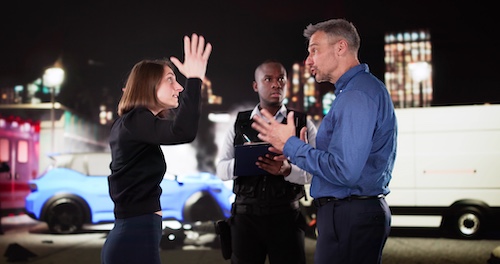
When both drivers blame each other after an intersection crash, insurance companies and investigators must rely on objective evidence to determine who is at fault.
Steps to Take Immediately After the Crash
Call the police and make sure an official report is filed at the scene. Take photos of the intersection, vehicle damage, skid marks, and traffic signals. Collect contact information from any witnesses and note the location of nearby surveillance or red light cameras.
How The Negligence Investigation Works
Insurance companies on both sides conduct independent investigations after a disputed red light accident. Adjusters review police reports, driver statements, and physical evidence to piece together what happened. When both drivers claim the other ran the light, objective evidence carries far more weight than either driver’s account alone.
Types of Evidence Used to Determine Negligence
Red light camera and surveillance footage can show the exact signal phase when each vehicle entered the intersection. A police report documents physical evidence and officer observations at the scene. Vehicle black box data records speed, braking, and timing, and can be subpoenaed in serious cases. Skid marks, debris patterns, and point of impact help reconstruct the crash. Signal timing records from the city or county can verify which light was active at the time of the collision.
When Evidence Is Disputed or Unavailable
If camera footage is unavailable or evidence is limited, insurance adjusters may split negligence between both drivers. A Georgia car accident attorney can help preserve evidence quickly, request traffic signal records, and build a stronger claim before key evidence is lost.
Georgia’s Modified Negligence Rule: How Shared Negligence Affects Your Claim
Georgia’s negligence rule directly determines how much compensation you can recover after a disputed red light crash.
How Georgia’s Modified Negligence Rule Works
Georgia follows a modified negligence rule. If you are found partially negligent in a car accident, your compensation is reduced by your percentage of negligence. If you are found 50% or more negligent, you cannot recover any compensation from the other driver.
How Shared Negligence Reduces Your Compensation
A finding of partial negligence directly reduces the full value of your claim. For example, if you suffered $100,000 in losses but are found 30% negligent, you can only recover $70,000. Insurance companies use this rule to lower settlement offers in disputed red light crashes.
How Negligence Is Divided in Common Scenarios
When both drivers claim they had a green light, physical evidence, camera footage, and witnesses determine how negligence is divided. If one driver runs a red light but the other driver is speeding, both drivers may share negligence and face reduced compensation. In a left turn crash where a driver turns on a green arrow into oncoming traffic, the turning driver is often assigned a greater share of negligence.
Why Negligence Percentage Matters for Your Claim
Insurance adjusters assign negligence percentages based on available evidence, and those percentages directly affect your payout. A Georgia car accident attorney can challenge an unfair negligence determination, protect your rights under state law, and help you recover the maximum compensation available for your injuries and losses.
Filing an Insurance Claim After a Disputed Red Light Accident
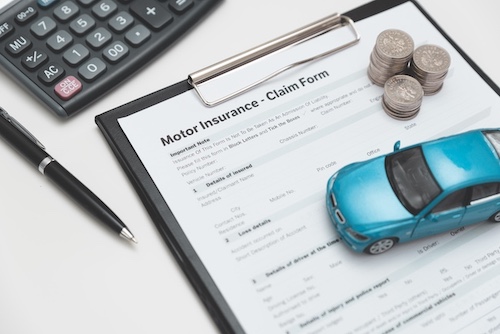
Filing an insurance claim after a disputed red light accident requires careful documentation and a clear understanding of the process.
Document the Scene Before You Leave
Take photos of the intersection, all vehicles involved, visible damage, skid marks, and traffic signals. Collect contact information from witnesses and note the location of any nearby red light cameras or surveillance cameras. Strong physical evidence gathered at the scene supports your claim from the start.
File a Police Report
Contact the police immediately after the crash and ensure an official report is filed. A police report documents the facts of the accident, officer observations, and any citations issued. Insurance companies treat police reports as key evidence when investigating disputed red light accidents.
Notify Your Insurance Company
Report the accident to your insurance company as soon as possible and provide all gathered evidence with your statement. Be factual and consistent when describing what happened. Avoid speculating about fault or making statements that could be used against your claim later.
Expect a Dispute and Potential Delays
When both drivers blame each other, insurance adjusters will investigate independently and may deny or reduce your claim without sufficient evidence. Disputes can delay payouts and result in lower settlement offers than the full value of your damages. Staying organized and responsive throughout the process helps keep your claim moving forward.
When to Contact a Georgia Car Accident Attorney
If fault remains unresolved or your insurance claim is denied, consult a Georgia car accident attorney before accepting any settlement. An attorney can negotiate directly with insurance companies, preserve critical evidence, and take legal action if necessary to recover full compensation for your injuries and damages.
Contact Ross Moore Law for a Free Case Review!
If you were injured in a disputed red light accident in Georgia, do not handle the insurance companies alone. Our team at Ross Moore Law is ready to review your case, preserve critical evidence, and fight for the full value of your claim.
Reach out at 404-445-8122 for a free case consultation today!